Best Interior Paint Colors for Open Floor Plans and Connected Spaces
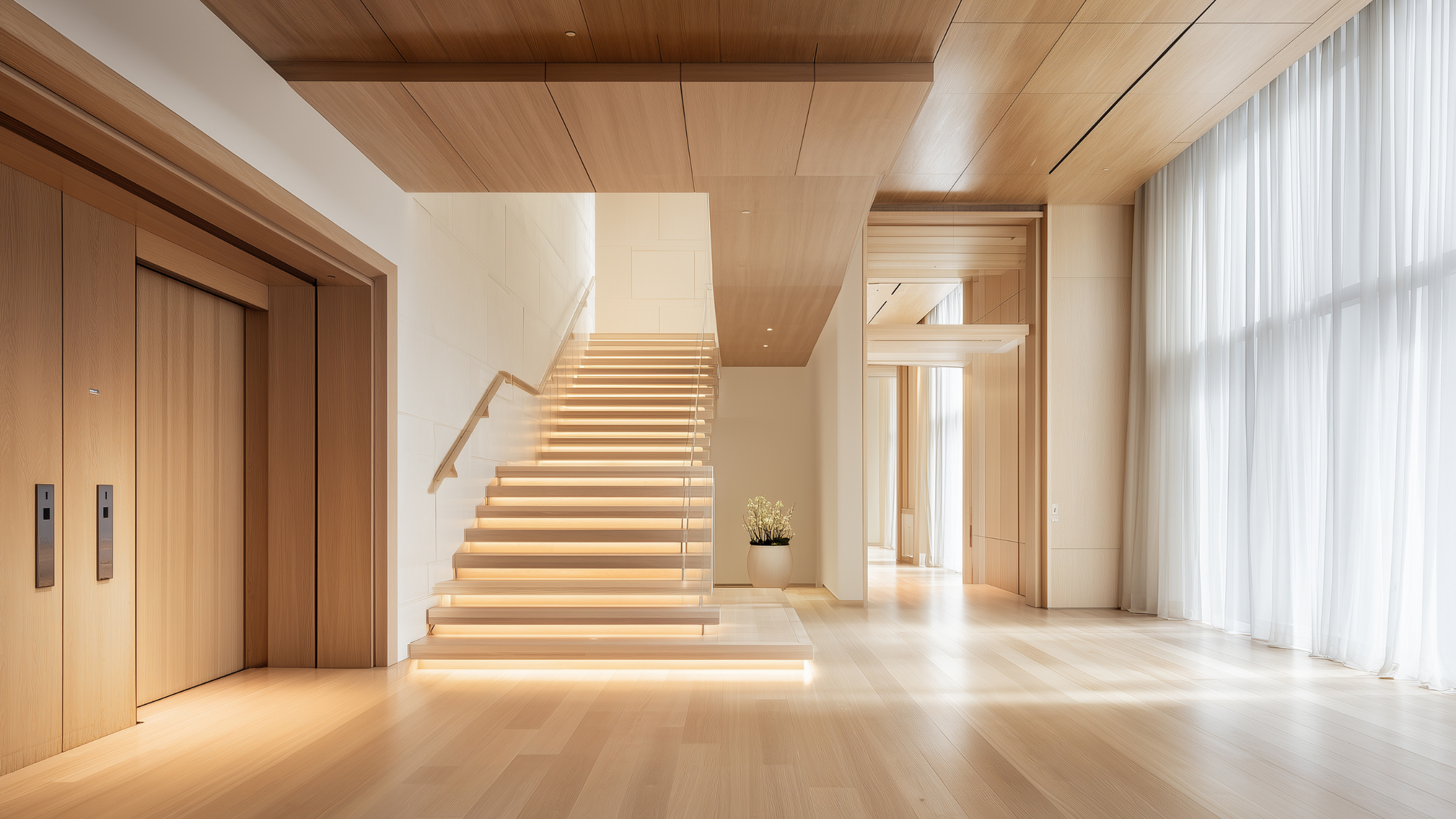
Open floor plans create a sense of space and flexibility, but they also make color decisions more challenging. Choosing the best interior paint colors for open floor plans requires more thought than picking individual room colors. Because walls, ceilings, and transitions are always visible, color mistakes are amplified. The wrong combination can make an open home feel disjointed, while the right approach creates flow, balance, and visual calm.
Why Open Floor Plans Complicate Color Choices
In an open layout, there are fewer visual breaks between spaces. Colors that might work well in a closed room can clash when viewed from multiple angles at once. Sharp transitions or mismatched undertones draw attention to boundaries instead of the home’s layout. Homeowners often realize the issue only after the paint is on the wall, when the space feels busy or disconnected.
The Role of Undertones in Open Spaces
Undertones play a critical role in how colors interact. Two neutrals that look similar on a swatch can clash once they share the same sightline. Warm undertones may fight with cool ones, creating visual tension. The best interior paint colors for open floor plans share compatible undertones, allowing rooms to transition smoothly without feeling repetitive.
How Professionals Create Visual Flow
Professional painters approach open floor plans by treating the home as a single canvas. Instead of assigning separate colors to each area, they focus on value shifts and subtle variation. This might mean using a slightly lighter or darker version of the same color or carrying a consistent base color throughout while changing finishes. This method keeps spaces distinct without breaking cohesion.
Why Neutral Paint Colors Perform Well in Open Layouts
Neutral shades often work best in open floor plans because they adapt to changing light and connect multiple spaces naturally. Warm neutrals can soften large areas, while balanced grays offer a clean, modern feel. The key is selecting neutrals that respond well to both natural and artificial light. Professional guidance helps ensure neutrals don’t appear flat or washed out across expansive walls.
Lighting Changes Everything
Light behaves differently in open homes. Natural light may flood one area while leaving another in shadow. Artificial lighting adds another layer of complexity. The best interior paint colors for open floor plans are chosen with these variations in mind. Professionals test colors in multiple locations to see how they perform throughout the day, preventing surprises after the job is complete.
Finish Selection and Its Impact on Open Spaces
Finish selection influences how color moves through an open layout. Flat finishes absorb light and minimize glare, while eggshell and satin finishes reflect light and enhance brightness. In open spaces, finish consistency is just as important as color consistency. Choosing the wrong finish can create visual breaks even when the color is the same.
Common Mistakes Homeowners Make
A common mistake is using too many accent colors or trying to define spaces with contrast alone. This often leads to a choppy appearance. Another mistake is selecting colors without considering sightlines, resulting in unexpected clashes. Professional painters help homeowners avoid these issues by planning the color scheme before painting begins.